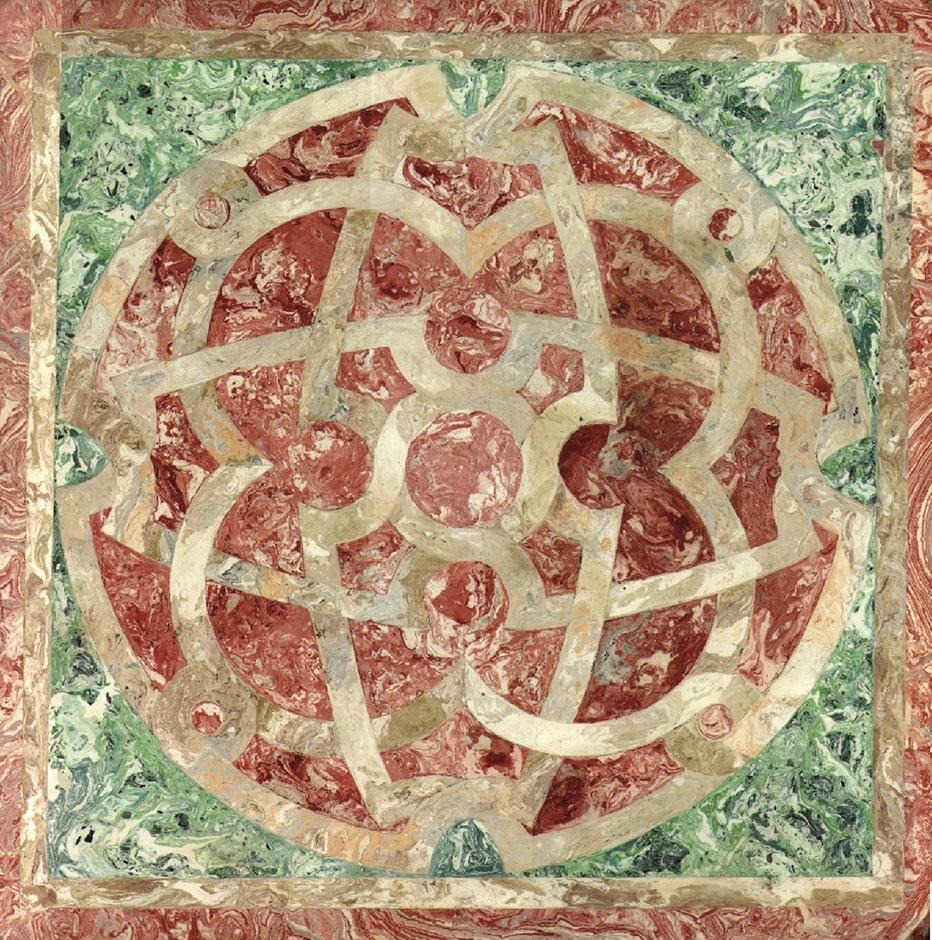
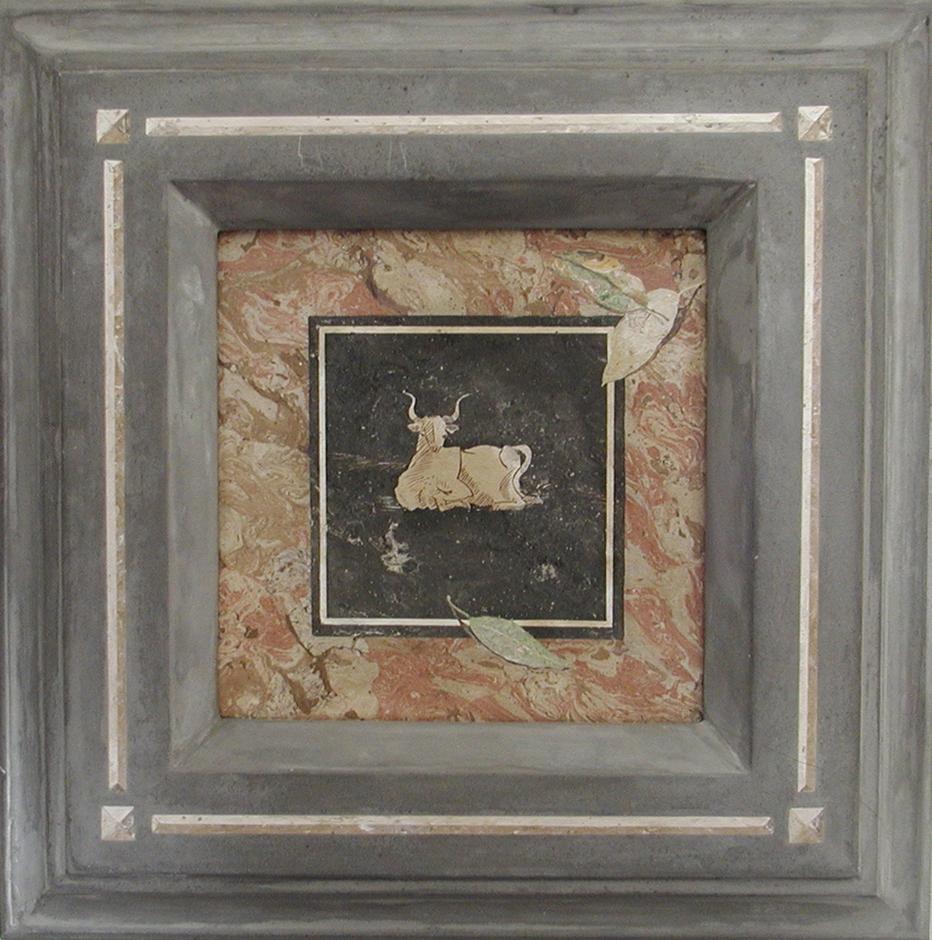
Scagliola
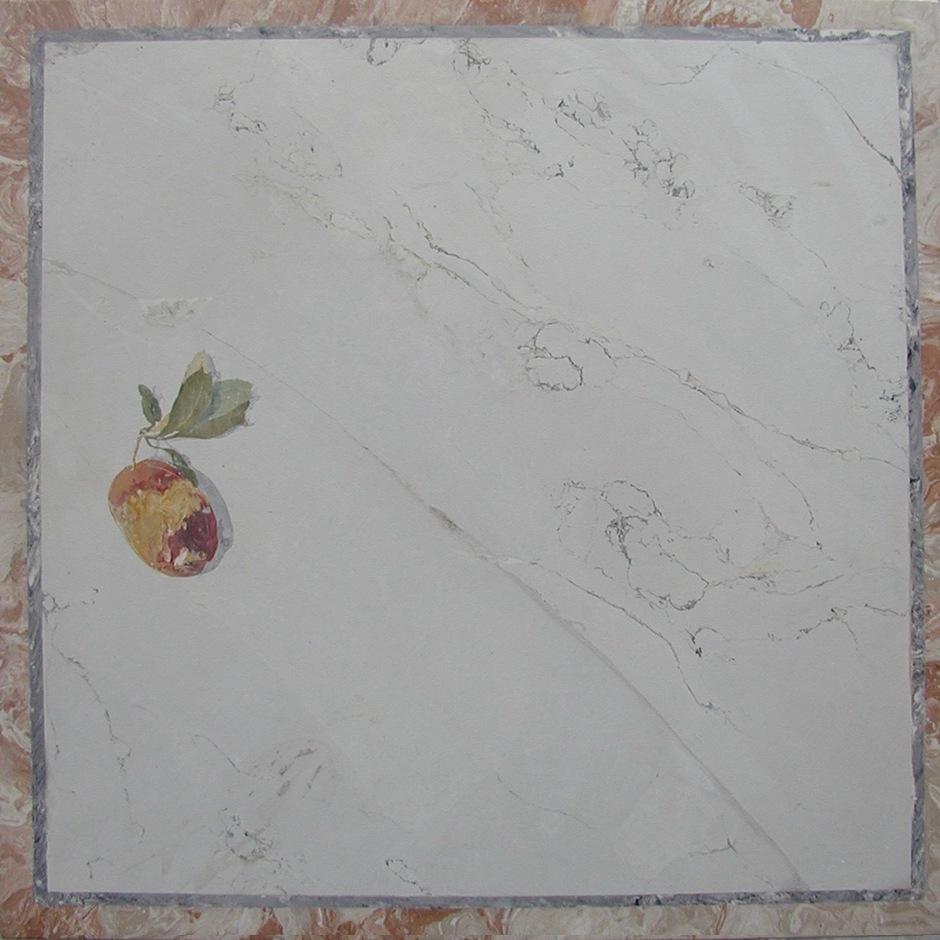
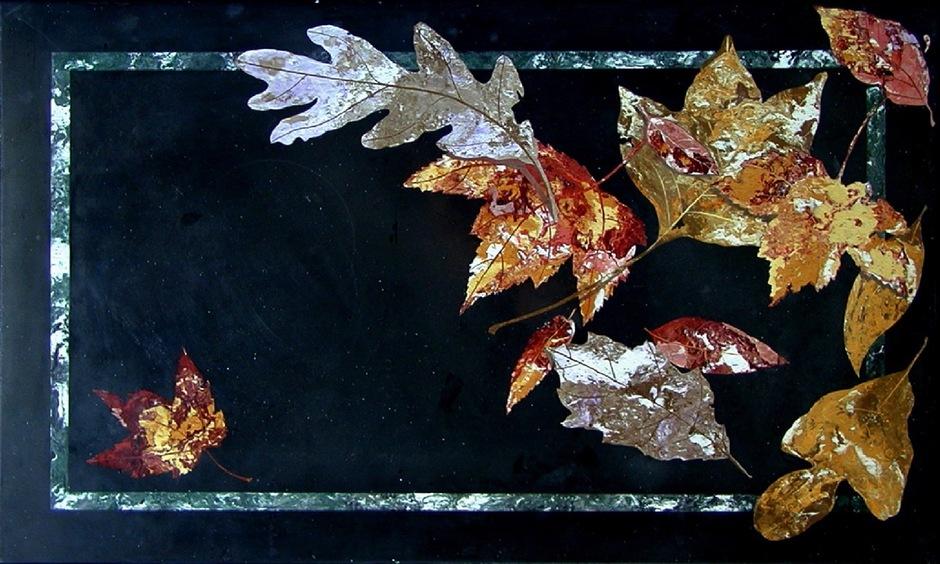
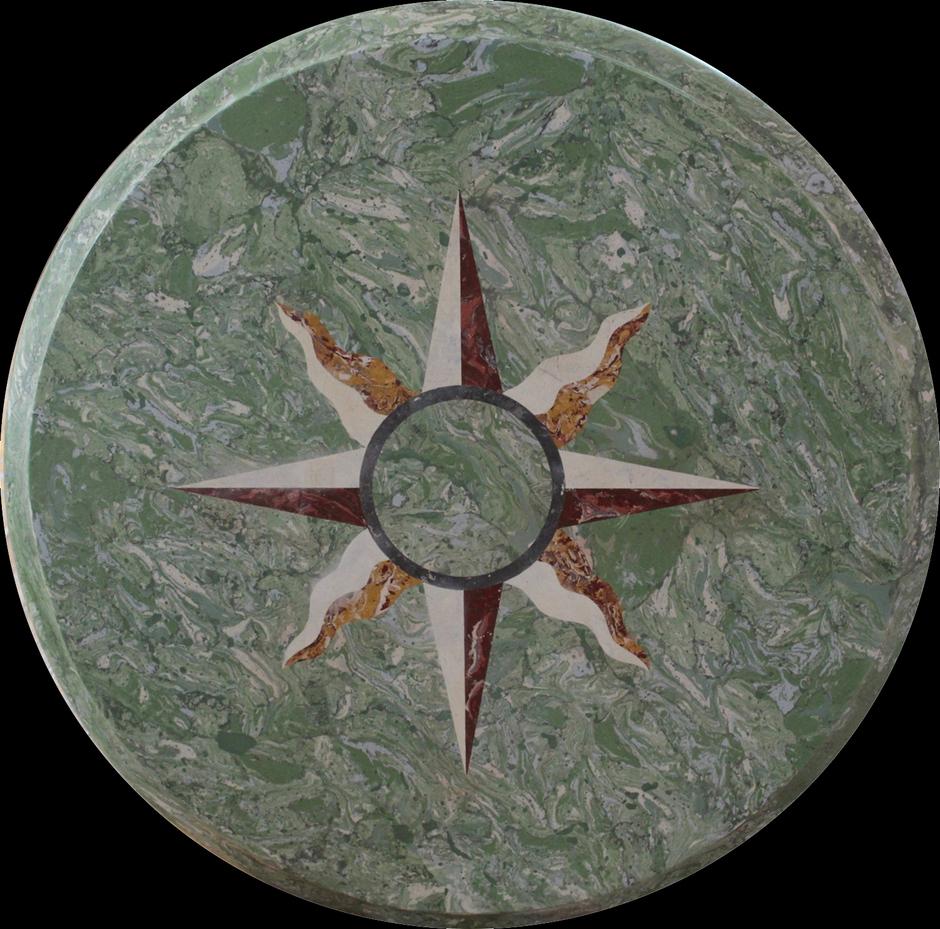
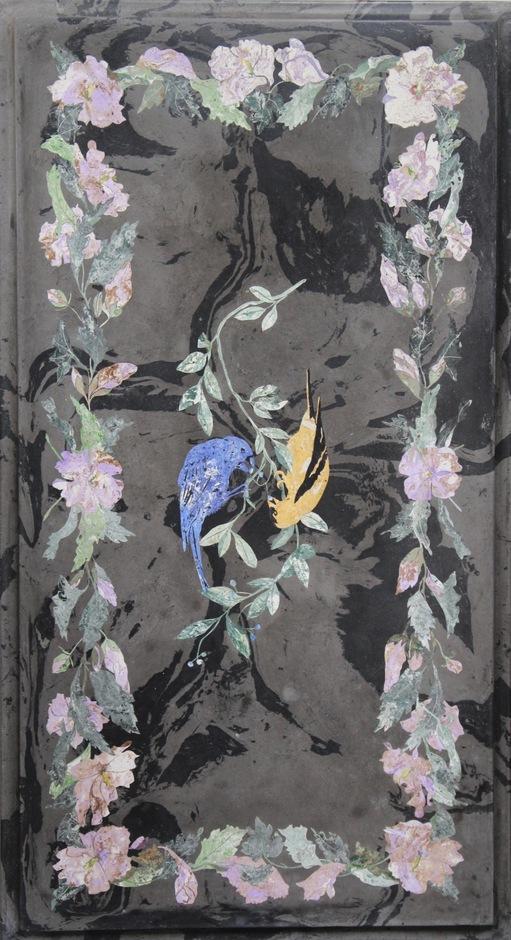
In the spring of 1997, I attended a fund-raiser in New York City for the Academia Caerite, a small summer-arts program based in Ceri, Italy, an hour north of Rome. Upon entering the event I noticed a delicate panel, approximately 5x7 inches, being raffled as a door prize. Entranced by the craftsmanship and beauty of the inlaid panel, I signed up for the course....
The Scagiola Process
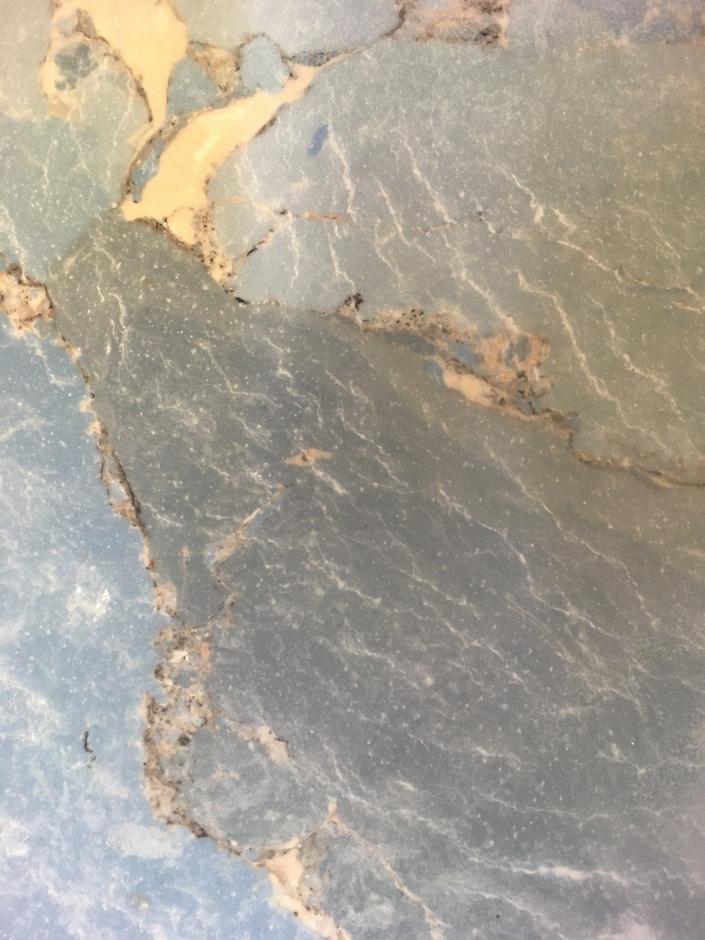
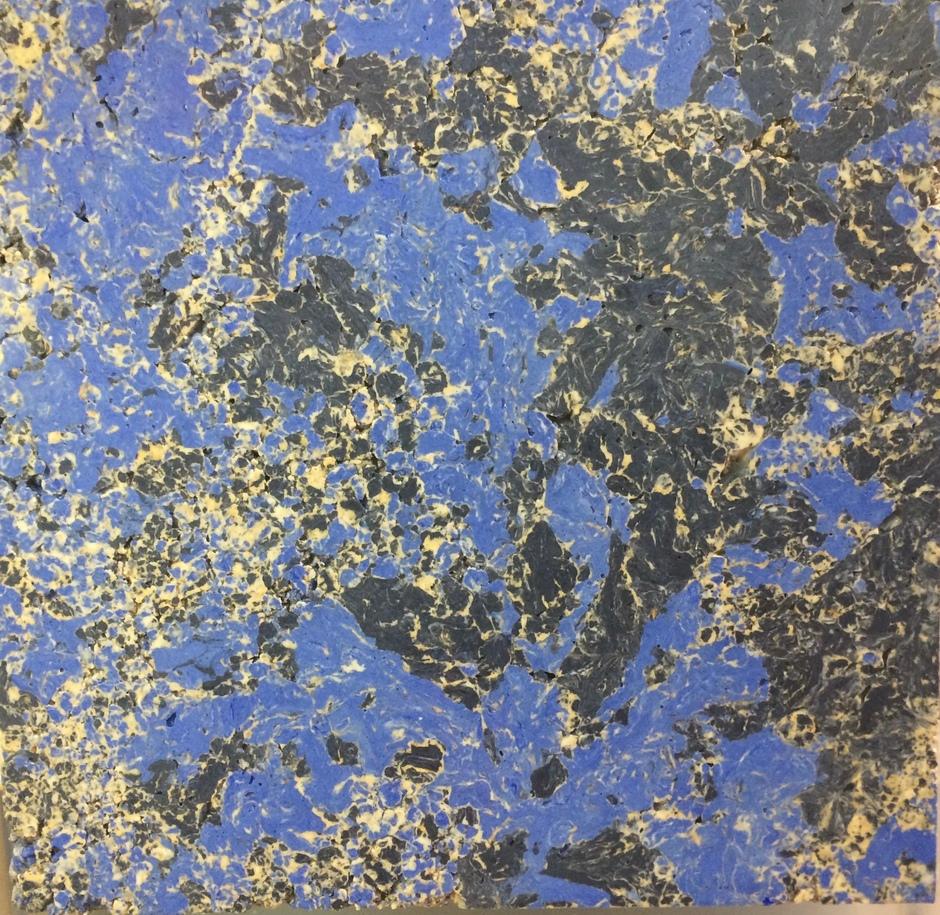
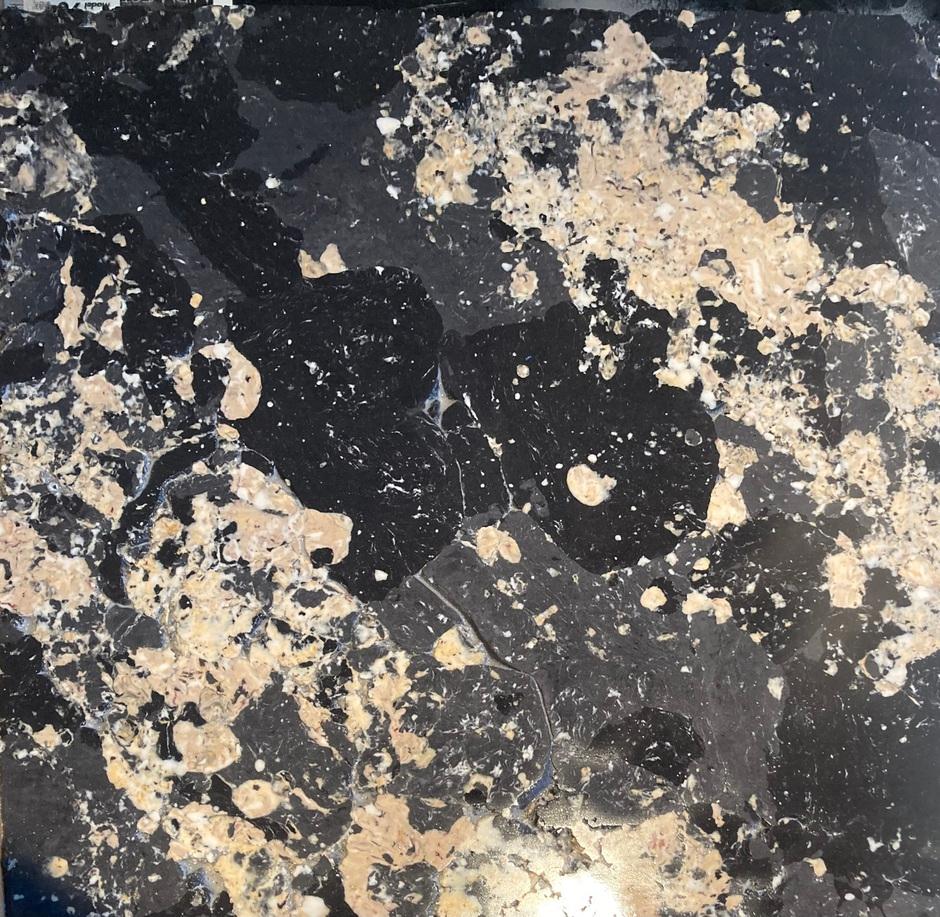
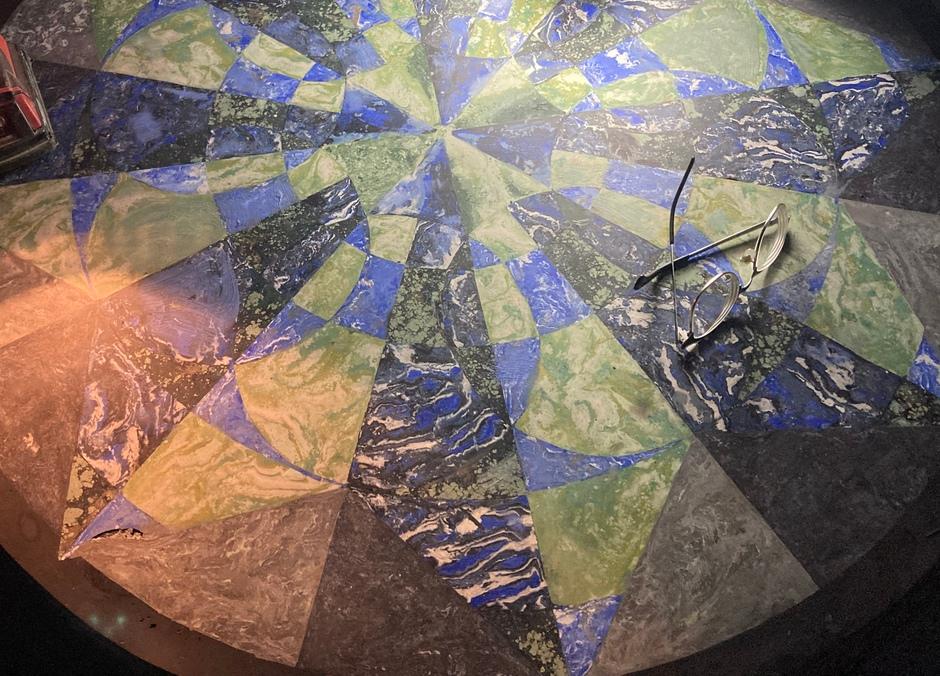
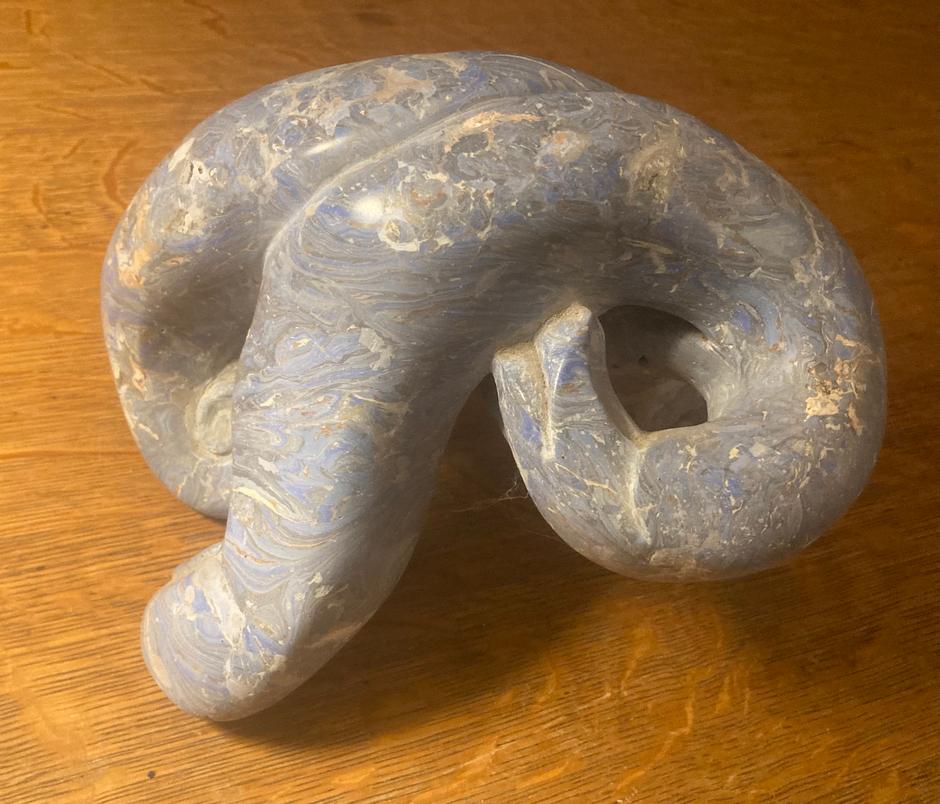
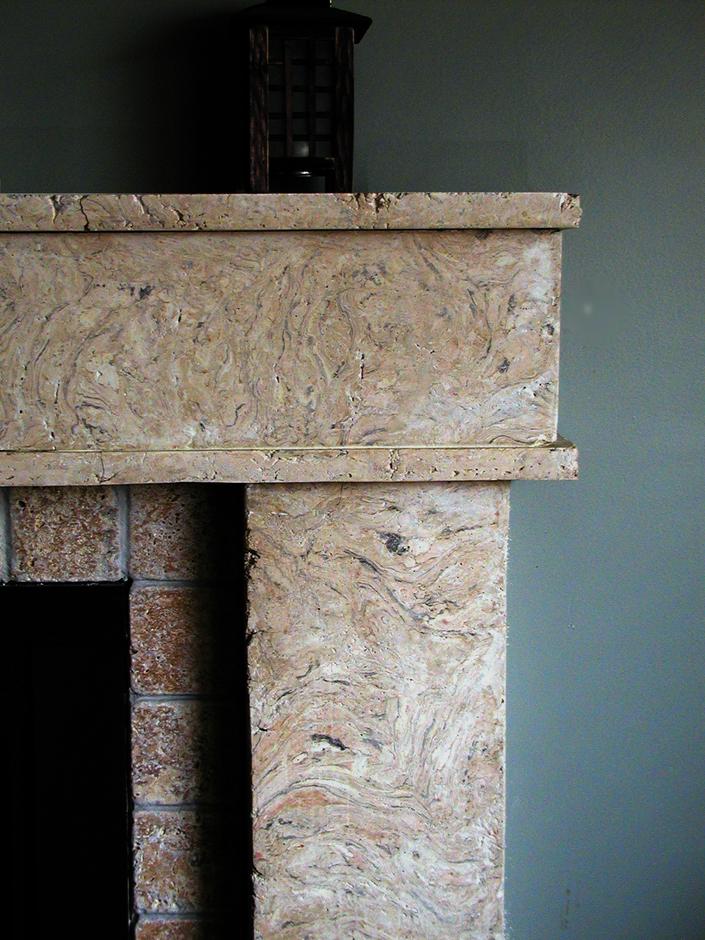
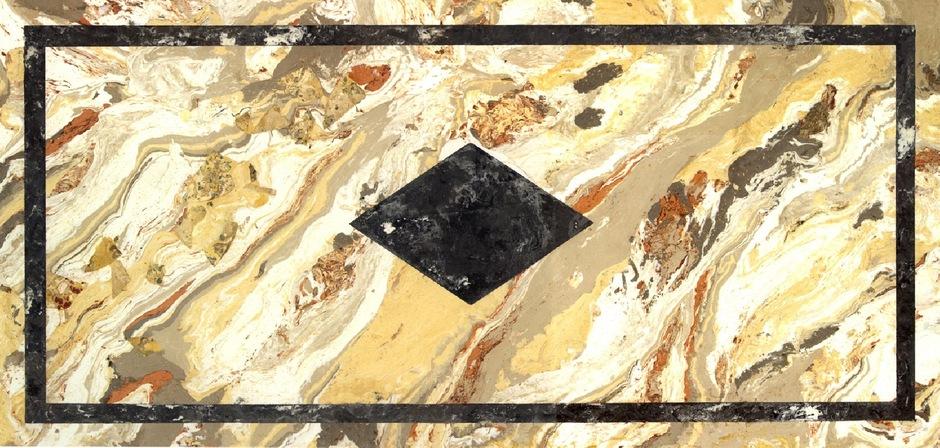
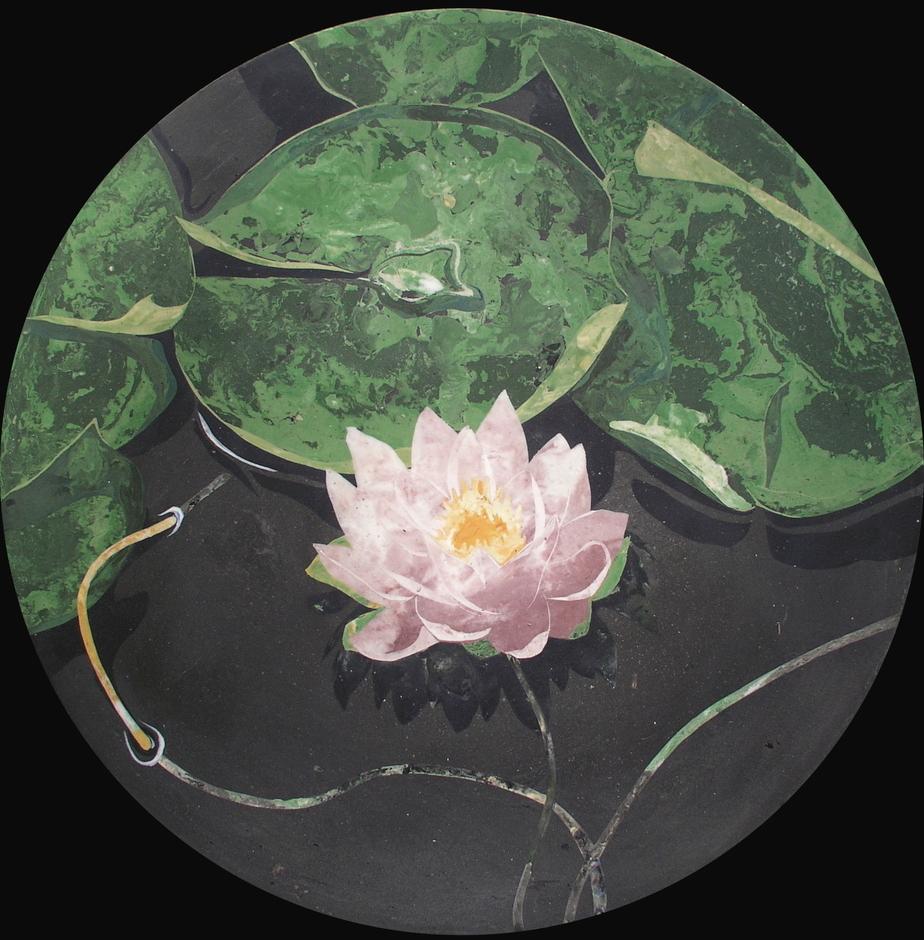
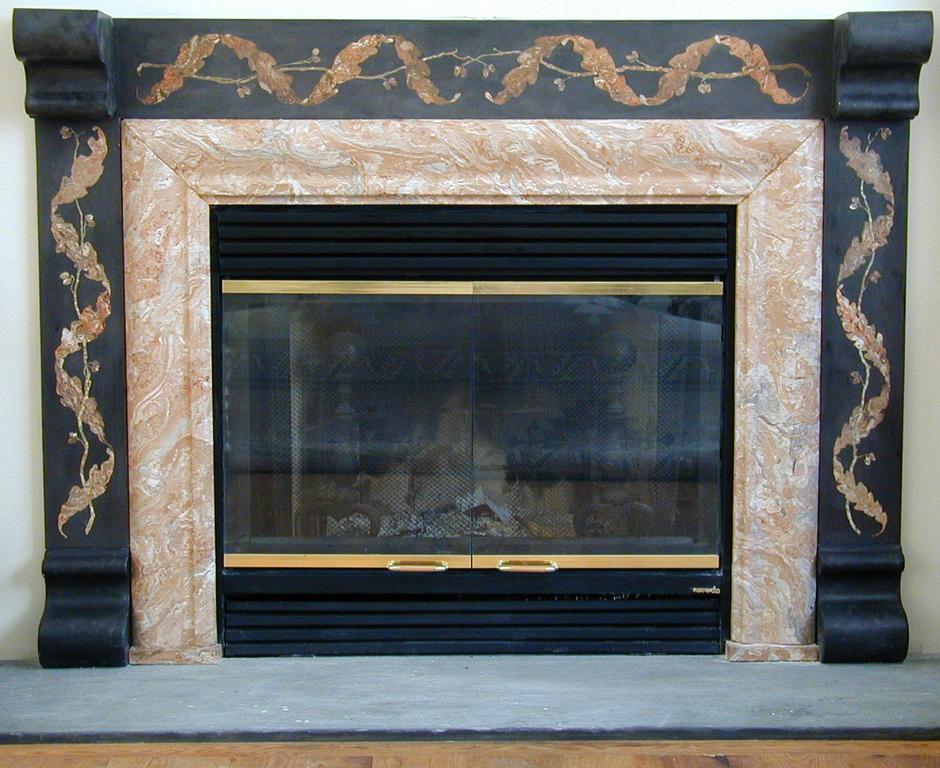
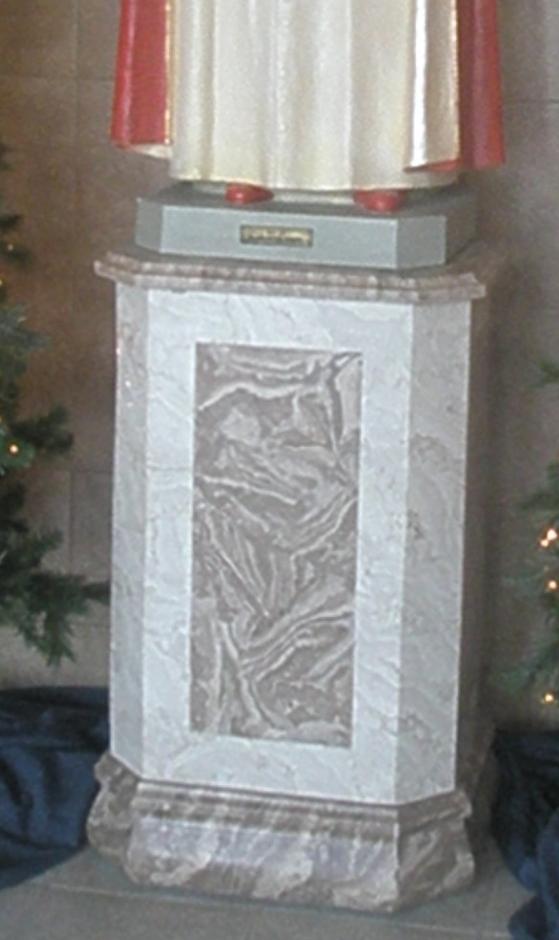
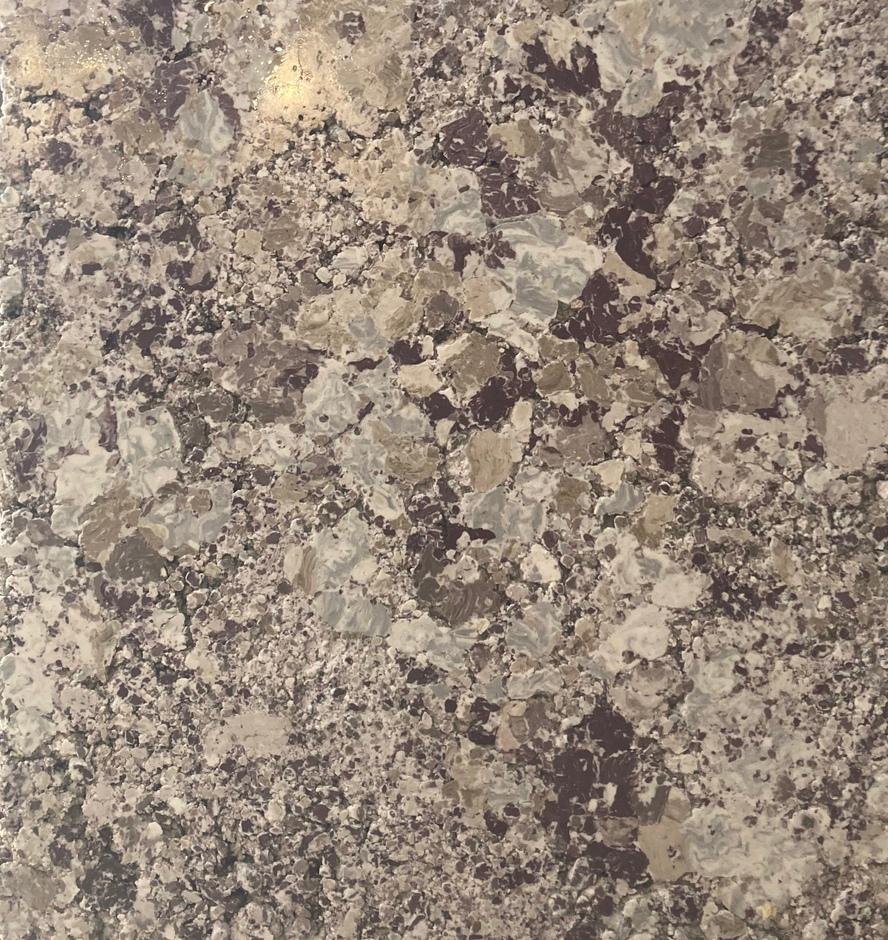
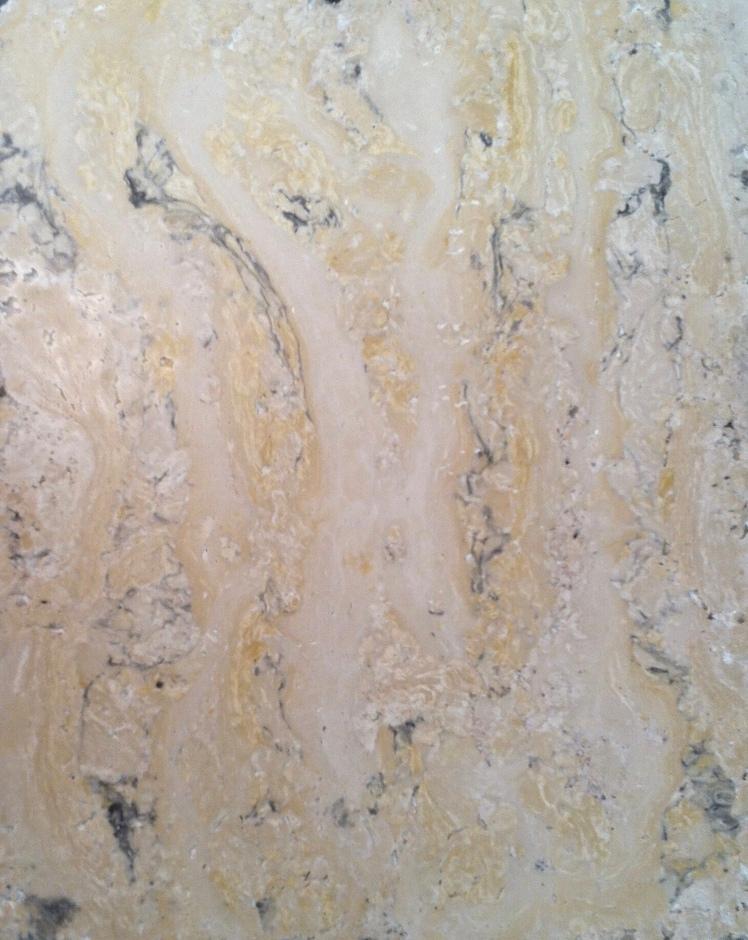
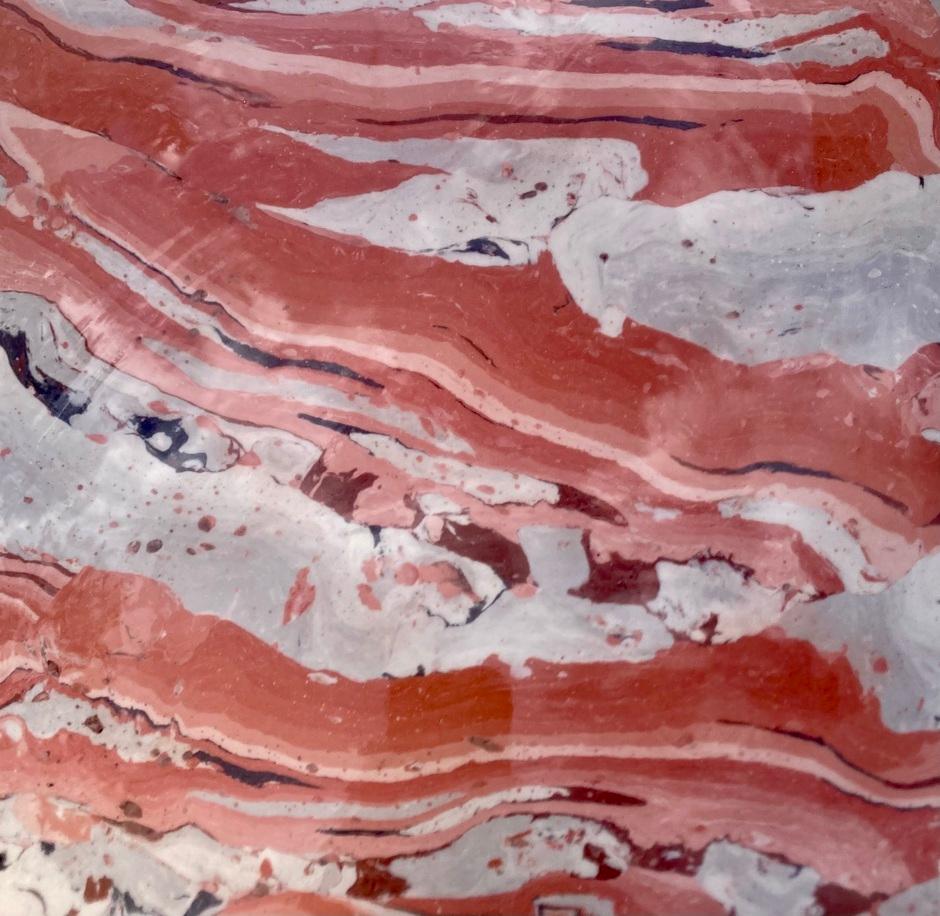
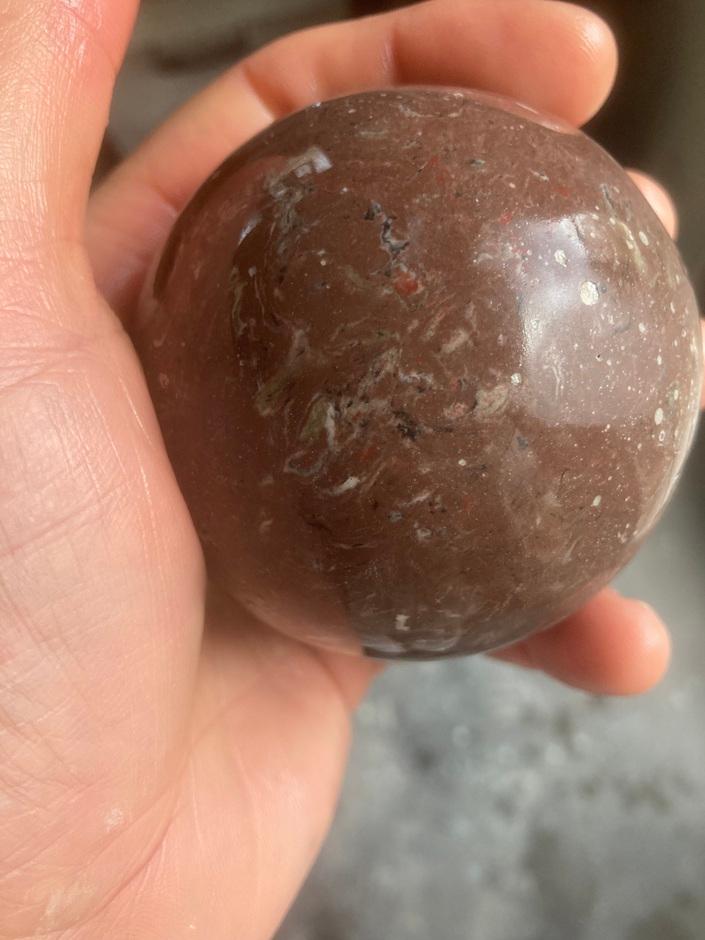
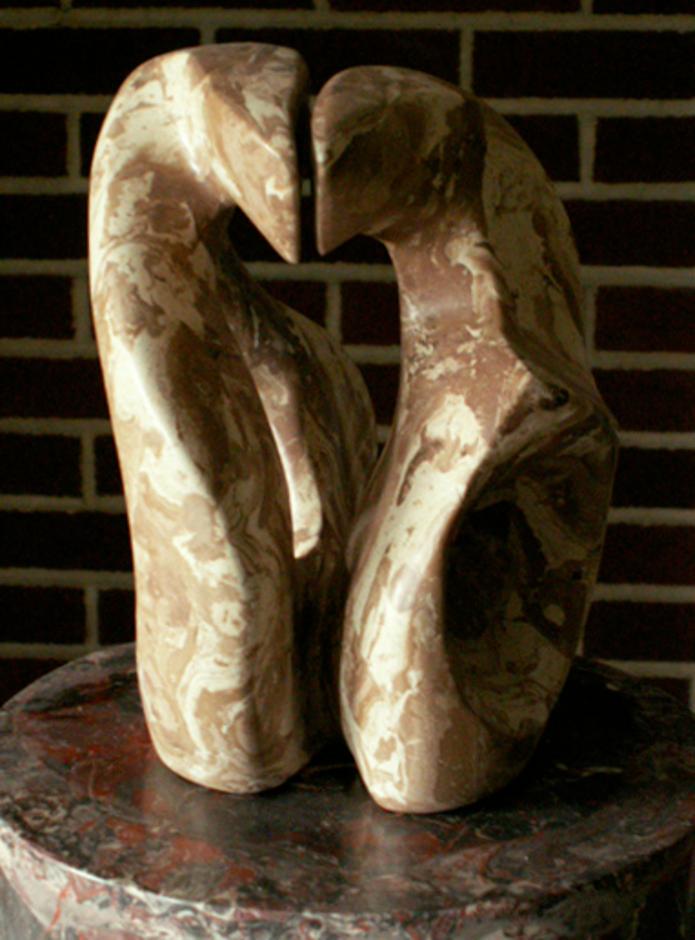
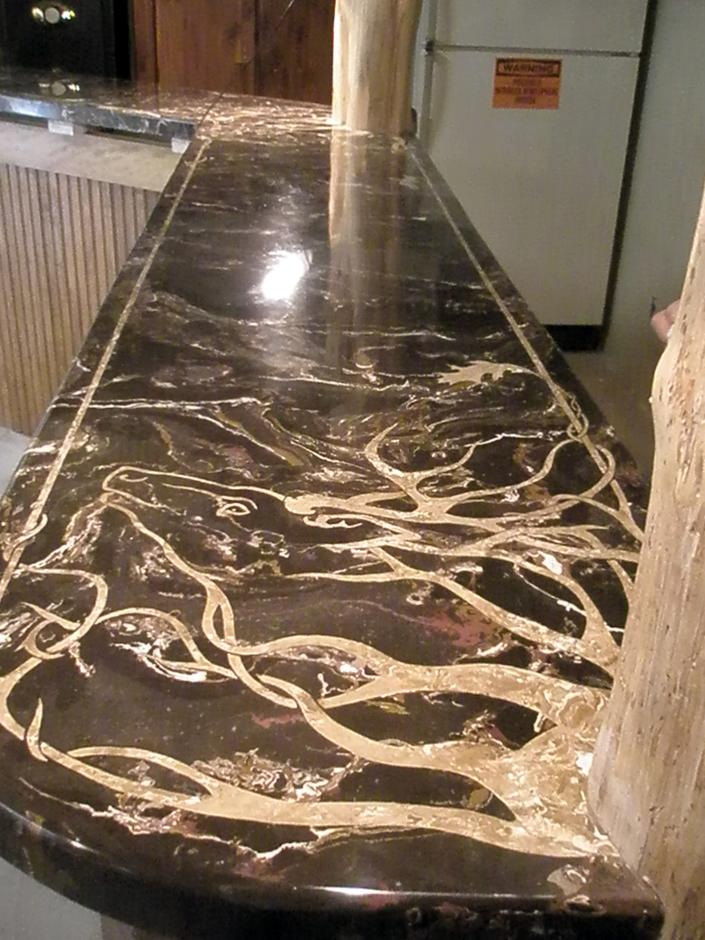
Scagliola derives its name from the Italian word for scale or shell a reference to the form of selenite that was ground and calcined to make plaster of Paris. Selenite is also known as “moonstone” for its opalescent glow. This is the origin of an alternate name for scagliola, “La Pietra di la Luna”.When plaster is mixed with a diluted solution of hide glue and water, and colored with lime-proof mineral pigments, a variegated material similar to that of quarried marble is created. A slice or section of this material, when hardened, can be polished to a high sheen.“Stucco marmo” or marbled stucco, is the term used when referring to scagliola executed on a large scale, for walls and columns.Over the centuries, the process of making scagliola has been shrouded in mystery; a closely-guarded secret among protective craftsmen. At one time, craftsmen and restorers often refused to offer classes. But, the veil is lifting. Since I first studied in 1997, I have actively tried to document the process and spread the finer points of the technique to dozens of students worldwide. I am currently working on a “cookbook” of the process, with detailed formulas laying out the process.As with many creative traditions, the secret isn't very secret after all: simple materials--plaster of Paris, hide glue, powdered pigments--with a generous amount of diligent polishing and good design equal great results.
Scagliola Workshops
I've been teaching scagliola since 1999, when I was asked by the Accademia Caerite in Ceri, Italy to fill in for my former teacher, Walter Cipriani.
Since then, I have made it my goal to offer regular workshops to the experienced and begginers alike, from plasterers to painters, artists to decorators and those looking to discover a new craft. (I've even taught kindergarten students, they were great!)
My current course details can be found on the Classes page.
History of Scagliola
The following is copyrighted material from an upcoming book on Scagliola, and cannot be reproduced without the expressed written consent of the author, James Gloria.
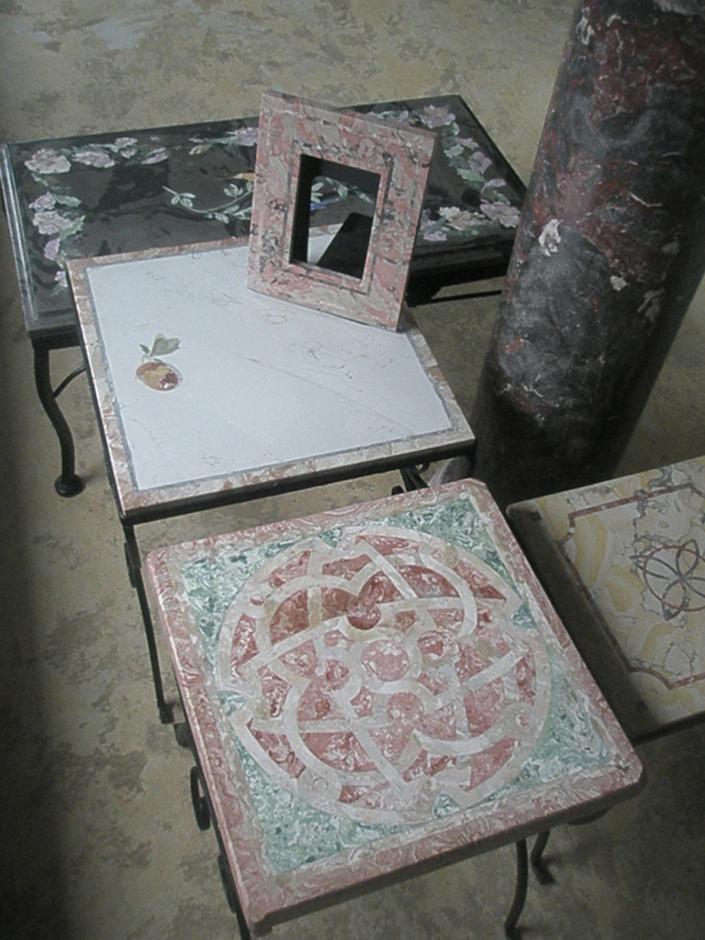
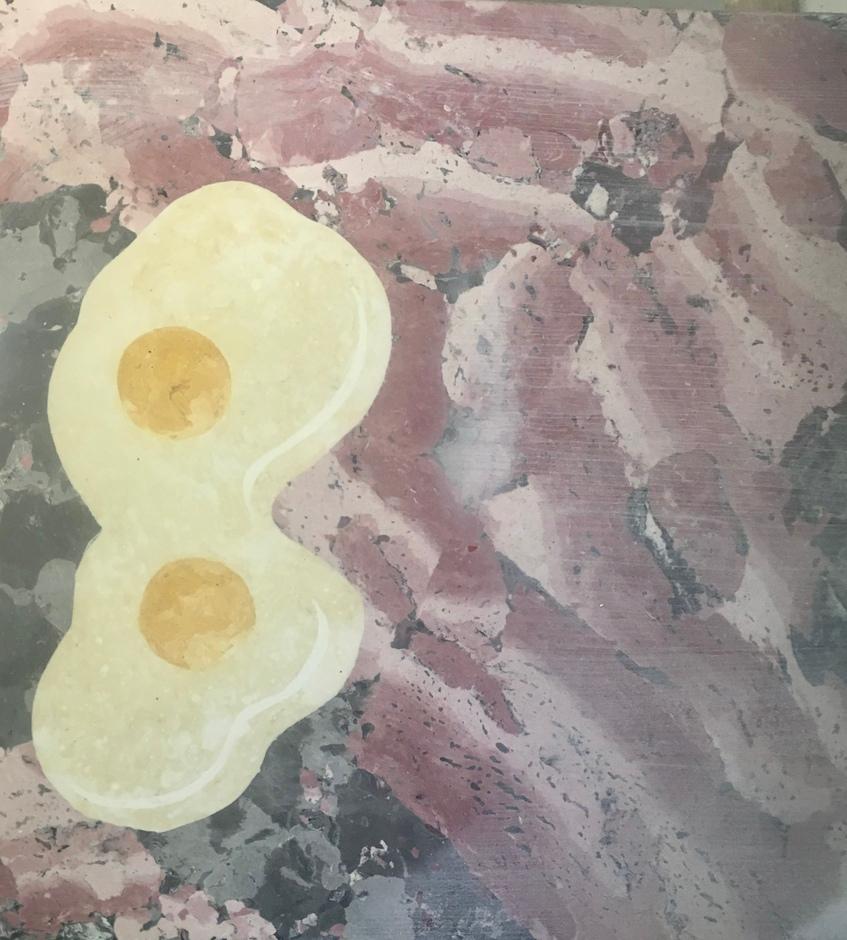
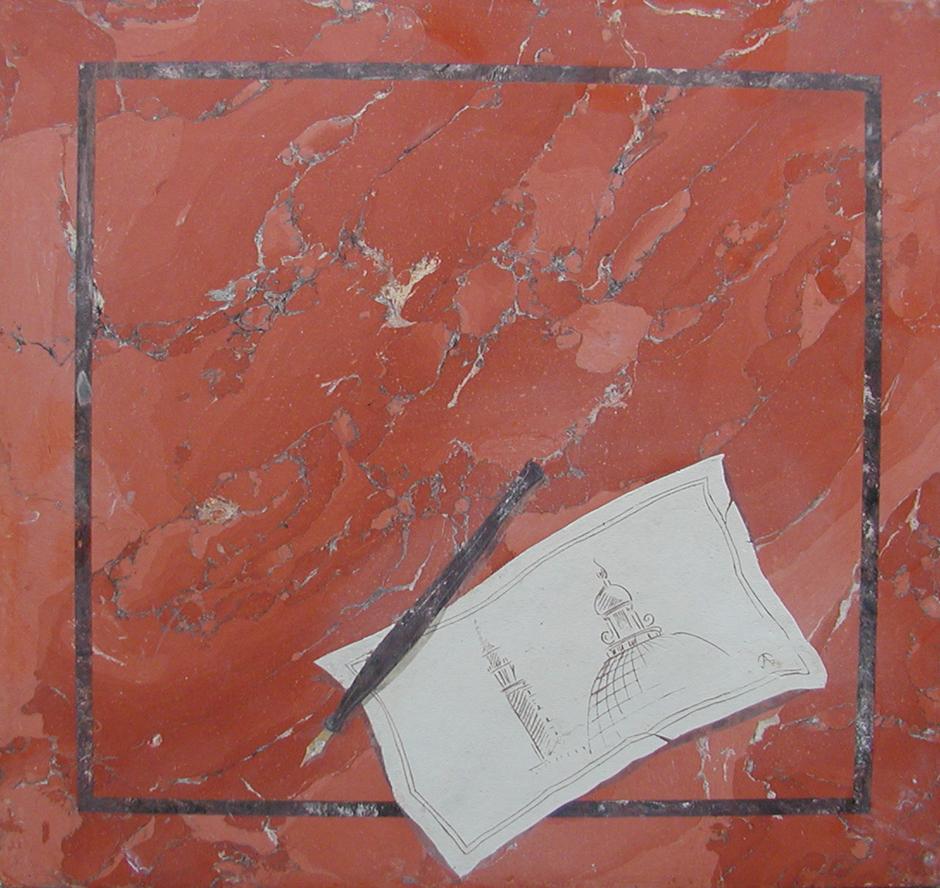
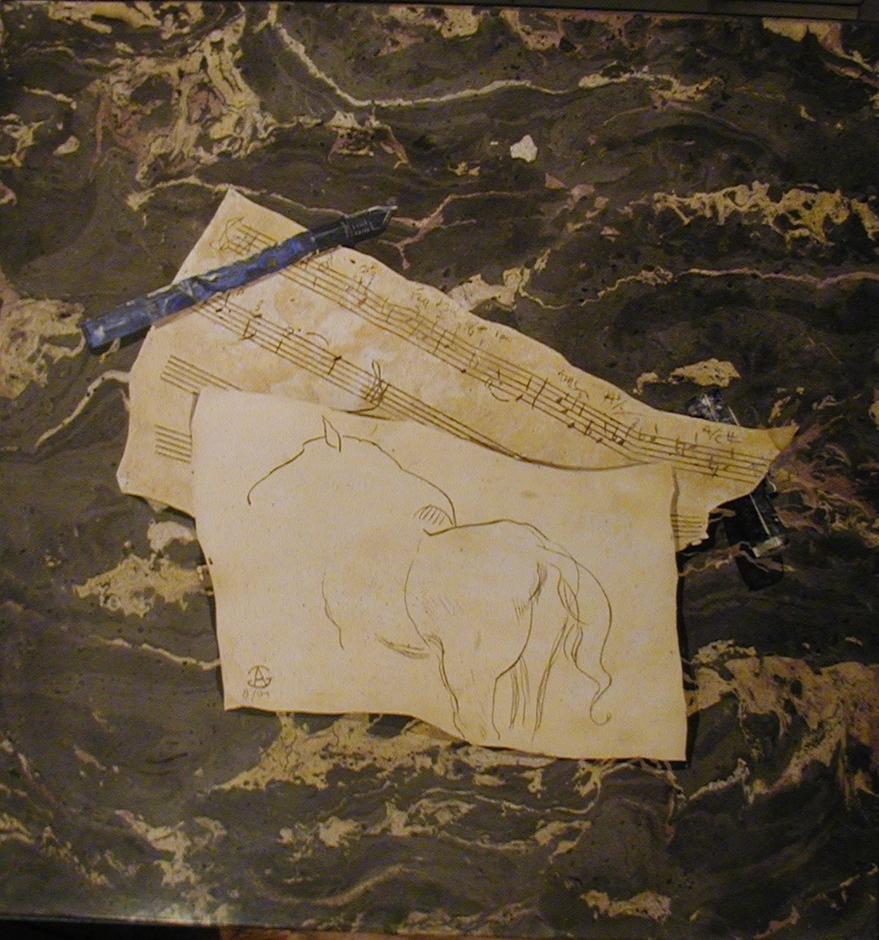
Certainly there were finishes imitative of marble since antiquity using paints and plasters. However, the unique mixture of highly-polished, marbled plaster that I use is generally attributed to 17th century Italian monks, Guido Fassi being the most prominent. Fassi and others produced incredibly detailed inlaid panels for altar fronts and tables. While these intricately inlaid surfaces may have begun in imitation of Pietra Dure, Scagliolists quickly took advantage of the infinite variety of color, plasticity and patterns possible with plaster. The ease with which it is carved enables incredible renderings of fine lace, delicate flowers and the interwoven tendrils of grottesca designs . By the early 17th c., the panels of Fassi, Enrico Hugford and others practically exploded with Rococo arabesques, trompe l’oeil maps and finely-crosshatched renderings of saints.An alternate theory is that the technique may have begun in Switzerland or Germany. Either way, it eventually spread to the rest of continental Europe, eventually making its way to England by way of the architects Robert & James Adam. By then, the technique was adapted for more monumental architectural purposes: sheathing columns, walls and even floors, most notably in Syon House, designed by Robert Adam. These broader marbling techniques are usually called “stucco marmo”, (marbled stucco) to distinguish them from the more intimately scaled, inlaid scagliola panels. The British also introduced a new material, Keene’s Cement, to meet the demands of scale and institutional wear. Much harder than regular plaster of Paris, it could be polished to a high sheen and would better resist the scuffs and scratches of public architecture.In making its way to the new world, the technique acquired another approach under the moniker, “marezzo”.
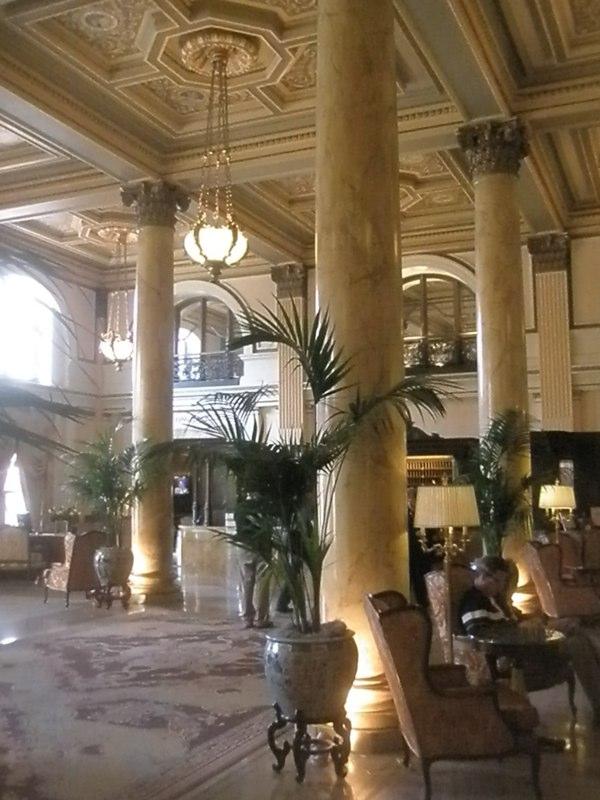
It is created using raw silk as a patterning material. This suited the scale of the public spaces where it was primarily used; in the U.S. Capitol, U.S. patent office and a dozen other state capitols, not to mention movie theaters, hotels and houses of worship. (pictured: marezzo columns in the Willard Hotel, Washington, D.C.)However, by the early 20th c. in the U.S., the technique was in decline. In an article published in Architectural Forum in 1929, Clifford Wayne Spencer wrote: “No art has been subjected to greater abuse at the hands of the modern commercial competitive system than has the making of artificial marble...” His premise was that the clumsy, aesthetically-challenged attempts at scagliola by inferior craftsmen had cheapened the reputation of the technique. At the same time, these plasterers undercut the prices of legitimate artisans effectively pushing the best craftsmen out of work while leaving examples of Scagliola undeserving of its heritage.It was not until the 1970’s that a revival of the technique in America took hold. In an article for the Association for Preservation Technology, Alfred Staehli describes how the bombing in the City Hall rotunda in Portland Oregon created a new appreciation for the technique:The persons who placed the explosives in the East Portico under the bell inadvertently caused the preservation of the art of making scagliola through the training of a younger generation of Portland plasterers in the old art necessary to the restoration of the City hall.And many restorations followed, as the technique was discovered in courthouses, theaters, churches and government buildings throughout the U.S. Indeed, no corner of the country seem to have escaped the artisan’s touch. In 2002 I traveled to Grafton, West Virginia to consult on the restoration of the waiting room of the main rail station. With its simply-designed, marezzo columns and wainscoting, this was the first large-scale American Scagliola I had seen, and the effect was impressive even in its degraded state.
My Scagliola Geneology
My connection to the European tradition starts with San Servolo. The thread of craftsmen begins north, with an unknown craftsman in East Germany. In 1957, he was the mentor of Manfred Siller, a young plasterer who travelled there to study with this now unknown Scagliolist. Siller eventually went on to work with him. Patrick Tranquart met Siller 26 years later, when Siller was the first Scagliola instructor at San Servolo. The two had met in 1983, and Tranquart was enchanted by the technique. An able student, he went far and completed many commissions throughout Europe, and America. He eventually replaced Siller as the instructor at San Servolo.My first teacher, Walter Cipriani, studied with Tranquart in San Servolo, followed by study with Olympia Serafin at the Accademia Caerite. It was there that I received my first instruction from both Cipriani and Serafin.My interest in further study brought me to San Servolo in 2003, when the program was under the direction of Patrick Tranquart. In a two-week intensive, Tranquart reinforced what I had learned from Olympia Serafin and Walter Cipriani in Ceri. But more importantly, Tranquart introduced me to the technique of “Stucco Marmo”, the process of applying scagliola to walls and columns.